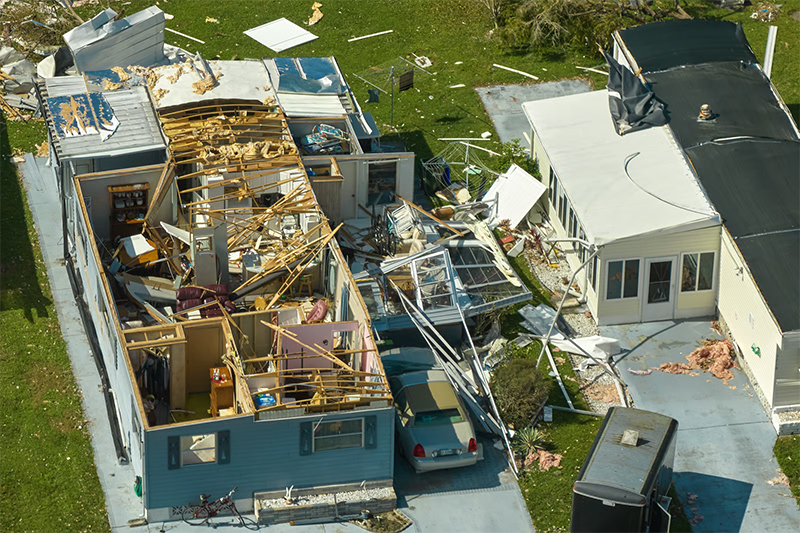
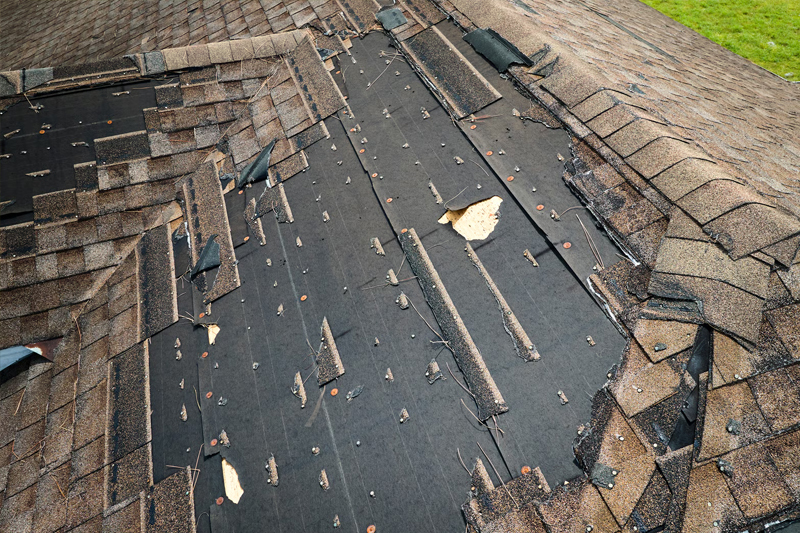
Storm damage refers to the destruction or impact caused by severe weather conditions such as heavy rain, strong winds, hail, lightning, thunderstorms, cyclones, or floods. It can affect homes, buildings, vehicles, trees, power lines, and other property, leading to safety risks and costly repairs.
Damage caused by strong winds, heavy rain, hail, or lightning
Fallen trees and debris may block roads or damage property
Electrical outages and flooding are common after storms
Immediate inspection helps identify hidden damage early
Insurance claims may help cover repair and restoration costs
Fire
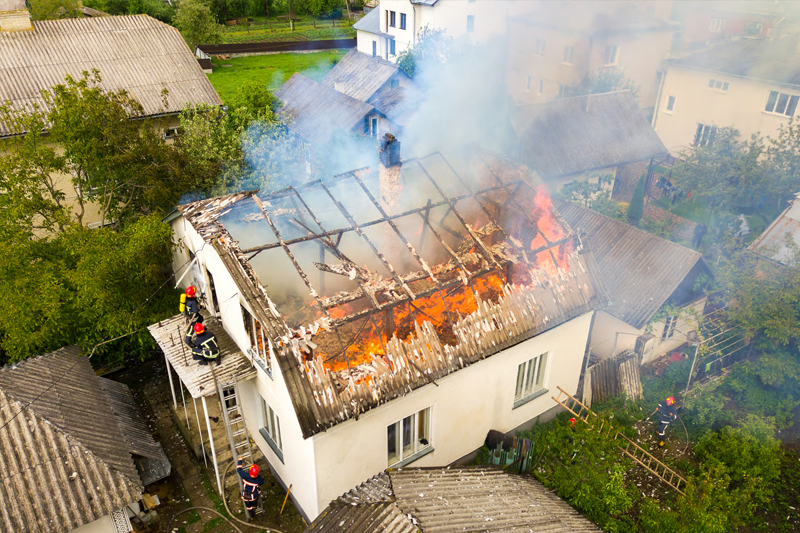
Fire damage refers to the destruction caused by fire, smoke, heat, and soot to buildings, property, and belongings. Fires can spread quickly and cause severe structural damage, health hazards, and financial loss if not handled promptly.
Can damage walls, roofs, furniture, wiring, and valuables
Smoke and soot leave harmful residues and strong odors
Quick response helps reduce further property loss
Professional cleanup restores safety and indoor air quality
Structural inspection is important after a fire incident
Insurance support may help with repair, restoration expenses
Water
Water damage refers to the destruction or deterioration caused by excess water entering a property through leaks, floods, burst pipes, heavy rain, or plumbing failures. If not treated quickly, it can lead to structural damage, mold growth, and costly repairs.
Caused by pipe leaks, floods, roof leaks, or plumbing issues
Standing water may lead to mold and mildew growth
Moisture can weaken building materials over time
Professional drying and restoration improve safety
Insurance coverage may help with restoration and repair costs
Roof Snow Removal
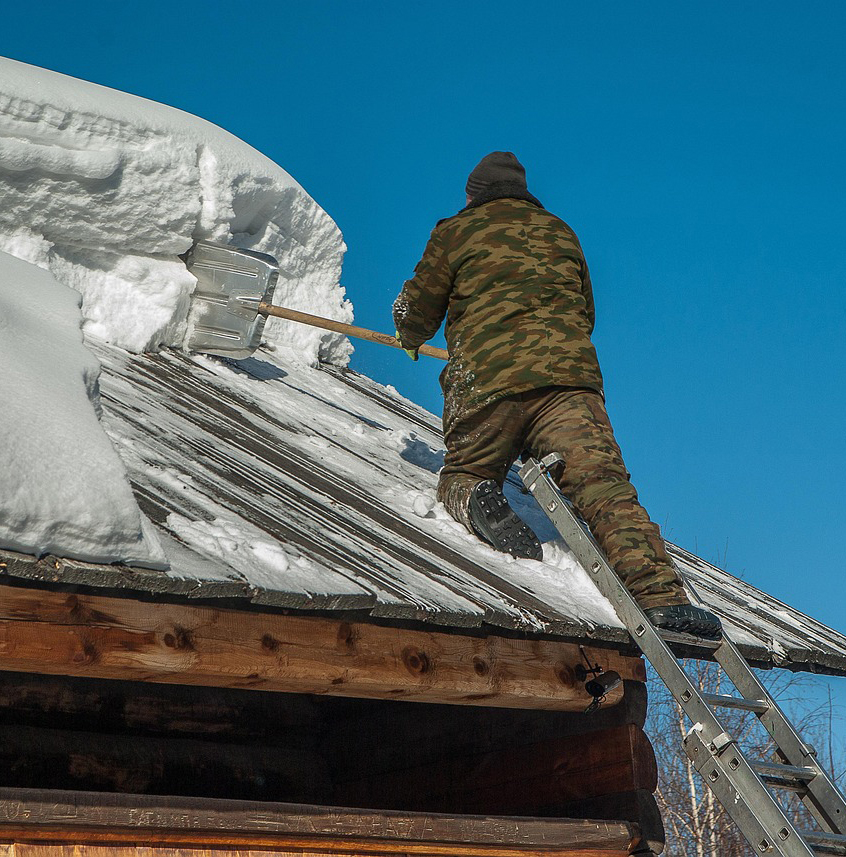
Roof snow removal is the process of clearing accumulated snow and ice from rooftops to prevent structural damage, leaks, ice dams, and safety hazards. Regular snow removal helps protect buildings during heavy winter weather conditions.
Prevents excessive roof weight and structural stress
Reduces the risk of roof leaks and water damage
Helps stop ice dam formation along roof edges
Improves safety by preventing falling snow and ice
Protects gutters, shingles, and roofing materials
Professional equipment ensures safe and effective removal
Timely snow removal can extend roof lifespan
Regular maintenance lowers the risk of costly repairs
 Call Us:
  Fax: (410) 633-1949