DONATE
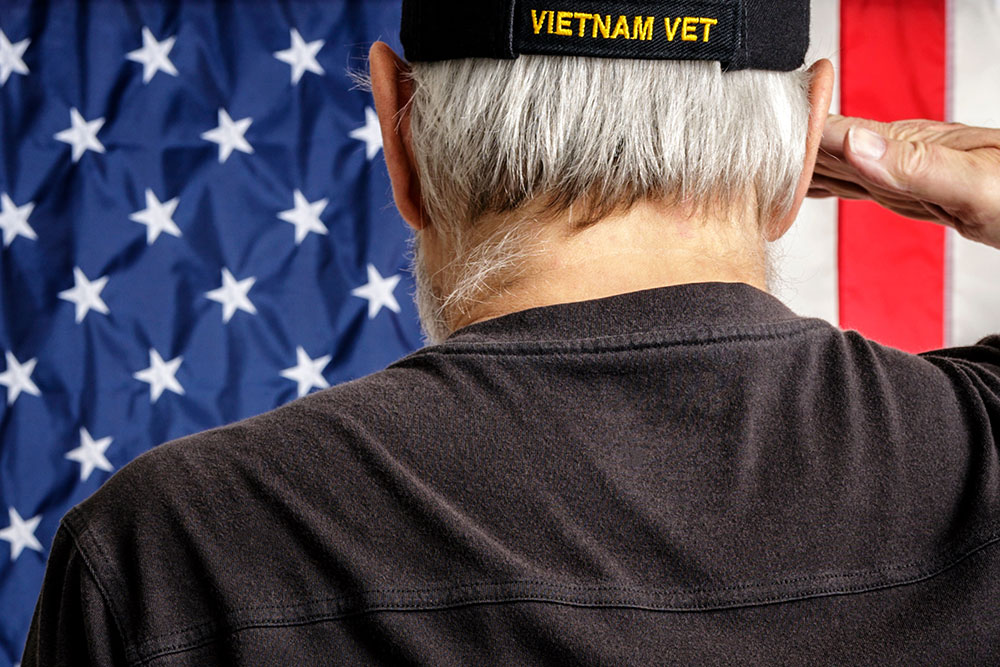
When we honor military service, we often focus on the service member—and rightfully so. But behind every Veteran stands a network of family members whose sacrifices, though different in nature, are equally significant. Military spouses navigate frequent moves, extended separations, and the constant uncertainty that comes with having a loved one in harm’s way. Children of service members adapt to changing schools, absent parents, and the unique stresses of military life. Parents, siblings, and extended family members carry their own burdens of worry and support.
When Veterans transition to civilian life, families transition too. The challenges don’t disappear with the uniform; they often transform into new complexities that require navigation, understanding, and support. At Clear Path for Veterans New England, we recognize that Veteran wellness cannot be separated from family wellness. Our supportive services are designed to strengthen the entire family unit, providing resources, guidance, and community for everyone affected by military service.
This guide will walk you through the supportive services available to Veteran families, explain how to access them, and illustrate why family involvement is essential to Veteran well-being.
Why Family Support Matters
The connection between family health and Veteran wellness is well-documented. Veterans who have strong family support systems consistently show better outcomes across multiple measures:
Mental Health: Supportive family relationships provide a buffer against depression, anxiety, and PTSD symptoms. Family members often serve as the first line of support and the first to notice when a Veteran is struggling.
Treatment Engagement: Veterans with engaged families are more likely to seek and remain in treatment for physical and mental health conditions. Family encouragement often provides the motivation needed to take that first step.
Transition Success: Families provide stability during the tumultuous transition period. A supportive home environment creates a foundation from which Veterans can rebuild their civilian lives.
Reduced Risk: Research indicates that strong family connections are associated with reduced rates of substance abuse, homelessness, and suicide among Veterans.
But families need support too. The stresses of military life—deployment, reintegration, managing service-connected conditions—take a toll on family members. Secondary traumatic stress, caregiver burnout, and the complex emotions surrounding a loved one’s service all require attention and care.
When we support families, we create stronger foundations for Veterans. When families thrive, Veterans thrive. The two are inextricably linked.
Supportive Services at Clear Path for Veterans New England
At Clear Path for Veterans New England, we offer a range of supportive services designed to help Veterans and their families navigate the challenges of post-military life. Our dedicated staff works closely with each family to understand their unique situation and connect them with appropriate resources.
Case Management
Our case managers serve as guides through the often-confusing landscape of Veteran services. They work with individuals and families to:
- Assess needs and identify goals
- Develop personalized action plans
- Connect with appropriate resources and programs
- Navigate bureaucratic processes
- Provide ongoing support and follow-up
Case management is particularly valuable because it provides a single point of contact who understands your situation holistically. Rather than trying to piece together information from multiple sources, families work with a case manager who can see the big picture and coordinate efforts effectively.
Our case managers have extensive knowledge of both VA and community resources, allowing them to match families with services they might not otherwise discover. They understand the unique challenges facing Veteran families and approach each situation with compassion and expertise.
VA Benefits Assistance
The VA benefits system is notoriously complex. Veterans and families often don’t know what benefits they’re entitled to or how to apply for them. Missing deadlines, submitting incomplete applications, or failing to provide required documentation can result in denied claims or significant delays.
Our VA benefits assistance helps families:
- Understand the full range of available benefits
- Determine eligibility for various programs
- Complete applications accurately and completely
- Gather required documentation
- Appeal denied claims when appropriate
- Navigate the VA healthcare system
Benefits we help families access include:
- Disability compensation
- Healthcare enrollment
- Education benefits (GI Bill)
- Home loan guarantees
- Vocational rehabilitation
- Survivors’ benefits
- Caregiver support programs
Many families leave thousands of dollars in benefits on the table simply because they don’t know what’s available or find the application process too daunting. Our benefits assistance ensures that Veterans and their families receive everything they’ve earned through service.
Outreach Support
Some families face barriers to accessing services—transportation challenges, work schedules that conflict with office hours, anxiety about seeking help, or simply not knowing that support exists. Our outreach support helps bridge these gaps.
Outreach efforts include:
- Community presentations and information sessions
- Partnerships with other organizations serving Veterans
- Presence at community events
- Home visits when appropriate
- Flexible scheduling to accommodate family needs
- Phone and virtual support options
We meet families where they are, both literally and figuratively. If coming to our facility isn’t feasible, we find other ways to connect. If a family isn’t ready for formal services, we maintain contact until they are.
How to Access Services
Accessing supportive services at Clear Path for Veterans New England is straightforward. We’ve intentionally kept barriers low because we know that seeking help can already feel challenging.
Step 1: Make Contact
Reach out to us by phone, email, or in person at our Devens, Massachusetts location. You don’t need an appointment to stop by during operating hours—walk-ins are always welcome.
Step 2: Initial Conversation
We’ll have an informal conversation about your situation and what brought you to Clear Path. This isn’t an interrogation; it’s simply a chance for us to understand how we might help. Share as much or as little as you’re comfortable with.
Step 3: Assessment
If appropriate, we’ll conduct a more thorough assessment of your needs and goals. This helps us match you with the right services and resources. The assessment process is collaborative—you’re not a passive recipient but an active partner in determining next steps.
Step 4: Service Plan
Based on the assessment, we’ll work with you to develop a plan. This might include ongoing case management, benefits assistance, referrals to other programs, or connection with community activities. The plan is tailored to your family’s specific situation.
Step 5: Ongoing Support
Our relationship doesn’t end with a referral. We provide ongoing support, checking in to see how things are progressing, troubleshooting obstacles, and adjusting plans as needed. We’re here for the long haul.
Eligibility Information
Eligibility for Clear Path for Veterans New England services is intentionally broad. Generally, we serve:
- Veterans of all eras and branches of service
- Active-duty service members preparing for transition
- Members of the National Guard and Reserves
- Family members of Veterans (spouses, children, parents, siblings)
- Surviving family members of deceased Veterans
- Caregivers of Veterans
If you’re unsure whether you or your family member qualifies, reach out and ask. We take an inclusive approach and work to find ways to serve those who come to us seeking help.
There are no income requirements, no service-connected disability requirements, and no minimum length of service requirements for most programs. We serve those who served, period.
The Role of Family in Veteran Wellness
Family involvement in Veteran wellness isn’t just beneficial—it’s often essential. Here’s why:
Early Recognition: Family members frequently notice changes in a Veteran’s behavior, mood, or functioning before the Veteran recognizes these changes themselves. This early recognition can lead to earlier intervention.
Support and Encouragement: Seeking help requires courage. Family encouragement often provides the push needed for a Veteran to take that first step. Knowing that family members support their decision to seek help reduces stigma and increases engagement.
Treatment Participation: Many evidence-based treatments for conditions like PTSD are more effective when family members participate. Family therapy, couples counseling, and family education programs all improve outcomes.
Sustainable Recovery: Recovery happens in the context of daily life, not just in treatment sessions. Family members can reinforce healthy coping strategies, provide accountability, and create environments that support ongoing wellness.
Advocacy: Family members often become effective advocates for their Veterans, helping navigate systems, communicate with providers, and ensure needs are met.
Supporting the Supporters
While we emphasize family involvement in Veteran care, we also recognize that family members need their own support. Caring for a Veteran, especially one with service-connected conditions, can be exhausting. Caregiver burnout is real and common.
Our services for family members include:
- Education about conditions affecting Veterans
- Coping strategies for family stress
- Connection with other military families who understand
- Respite opportunities
- Support groups and peer connections
- Individual support when needed
You can’t pour from an empty cup. By supporting family members’ own well-being, we enable them to continue supporting their Veterans effectively.
Success Stories
The impact of family involvement in Veteran services is best illustrated through real experiences:
One military spouse describes her family’s journey: “When my husband came back from his third deployment, I knew something was different. He was there physically but not really present. For months, I tried to help on my own, researching everything I could about PTSD, walking on eggshells, trying to hold our family together. When we finally connected with Clear Path, it felt like the weight lifted from my shoulders. They helped him access the services he needed, but they also helped me. For the first time, someone asked how I was doing. The family support made all the difference.”
A Veteran shares how his wife’s involvement changed his trajectory: “I never would have called for help myself. I was too proud, too stubborn. But my wife found Clear Path and basically dragged me through the door. The case manager treated both of us with respect, included my wife in the planning, and helped us work together instead of against each other. We’re stronger as a family now than we’ve been in years.”
Taking the First Step
If you’re a Veteran family seeking support, we encourage you to reach out. Whether you’re navigating a fresh transition, dealing with challenges that have persisted for years, or simply want to connect with others who understand, Clear Path for Veterans New England is here.
You’ve already done the hard part—recognizing that support could help. The next step is simply making contact. From there, we’ll walk alongside you, providing guidance, resources, and community for your entire family.
Your Veteran served our nation. Now let us serve your family.
 Previous Post
 Next Post