DONATE
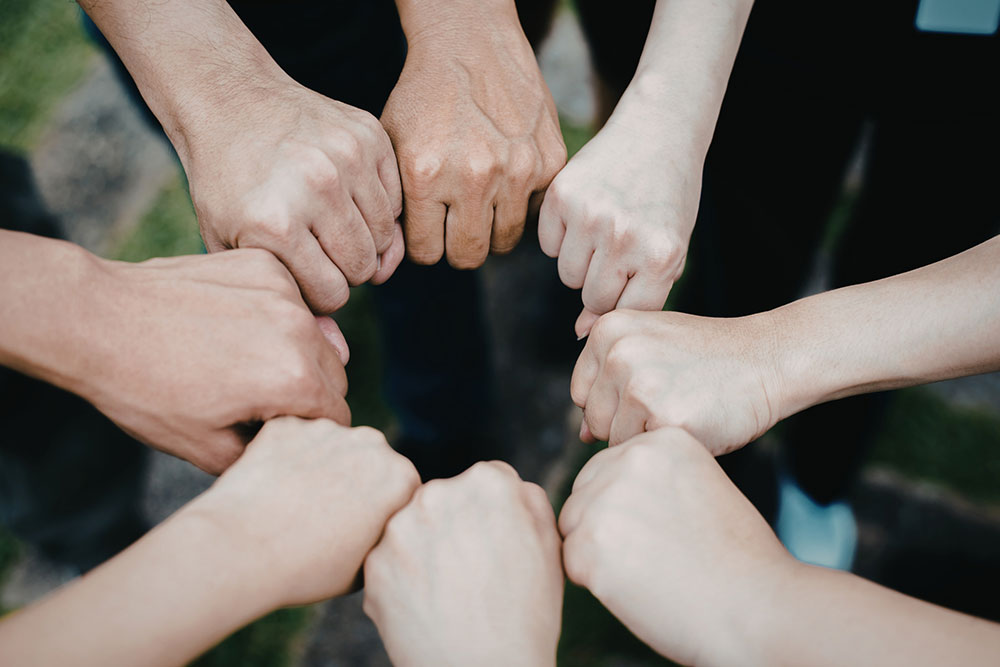
In a world that increasingly connects us through screens and social media, genuine human connection has become both more valuable and more elusive. For Veterans, who have experienced the profound bonds of military brotherhood and sisterhood, this disconnect can feel particularly acute. The transition from a tight-knit military unit to the comparative isolation of civilian life represents one of the most significant challenges Veterans face—and one with serious implications for mental health and overall wellness.
At Clear Path for Veterans New England, we’ve witnessed firsthand how community and connection transform lives. Through our weekly activities, peer support networks, and social gatherings, we’ve watched isolated Veterans rediscover the power of belonging. We’ve seen the light return to eyes that had grown dim, heard laughter replace silence, and observed friendships form that rival the bonds of military service itself.
This isn’t coincidence. It’s the predictable result of what happens when human beings find their people—when Veterans connect with others who truly understand.
The Epidemic of Veteran Isolation
The statistics paint a troubling picture. Studies indicate that Veterans are significantly more likely than civilians to experience social isolation and loneliness. This isolation doesn’t just feel unpleasant; it poses serious risks to physical and mental health.
Research has linked social isolation to increased rates of depression, anxiety, substance abuse, and suicide. Physically isolated individuals face higher risks of heart disease, stroke, and premature death. For Veterans, who may already be managing service-connected physical or mental health conditions, isolation compounds existing challenges.
Several factors contribute to Veteran isolation:
Geographic Dispersion: Unlike active-duty service, where military members live and work in close proximity to their units, Veterans scatter across the country after separation. The battle buddies who once lived down the hall may now be thousands of miles away.
Communication Barriers: Military culture creates its own language, humor, and reference points. Veterans may find it difficult to communicate with civilians who don’t share these touchstones. Explaining military experiences to those who haven’t served can feel exhausting or futile.
Invisible Wounds: Veterans managing PTSD, traumatic brain injury, or other service-connected conditions may withdraw from social situations that feel overwhelming or triggering. What begins as self-protection can evolve into deep isolation.
Loss of Structure: Military life provides built-in social interaction through work, housing, dining facilities, and recreational activities. Civilian life requires more intentional effort to build and maintain connections.
Stigma: Unfortunately, some Veterans feel stigmatized or misunderstood by civilian peers. They may avoid social situations where they anticipate negative reactions or uncomfortable questions about their service.
The Science of Connection
Human beings are fundamentally social creatures. Our brains evolved to thrive within communities, and our biology reflects this deep need for connection.
When we engage in positive social interactions, our bodies release oxytocin—often called the “bonding hormone.” This neurochemical promotes feelings of trust, calm, and well-being. Regular social connection helps regulate our stress response, improving our ability to manage anxiety and recover from difficult experiences.
Conversely, isolation triggers our body’s threat response. When we lack social connection, our stress hormones remain elevated, inflammation increases, and our immune systems become compromised. Our brains, perceiving danger in our aloneness, keep us in a state of heightened alert that takes a toll over time.
For Veterans who may already carry the neurobiological imprint of trauma and chronic stress, the additional burden of isolation can be particularly harmful. The good news? The healing power of connection is equally profound.
Peer Support: Veterans Helping Veterans
While professional mental health services play an important role in Veteran wellness, there’s something uniquely powerful about peer support—Veterans helping Veterans.
Peer support works for several reasons:
Shared Experience: Fellow Veterans don’t need lengthy explanations. They understand military culture, the challenges of deployment, the complexity of transition. This shared foundation allows conversations to go deeper faster.
Reduced Stigma: Many Veterans feel more comfortable seeking help from peers than from professionals. The informal nature of peer support reduces barriers and normalizes the experience of needing help.
Role Modeling: Seeing other Veterans who have navigated challenges successfully provides hope and practical guidance. If they made it through, perhaps I can too.
Reciprocity: Peer support isn’t one-directional. The Veteran who receives help today may offer help tomorrow. This reciprocity provides purpose and reinforces the military value of looking out for one another.
Accessibility: Peer support can happen anywhere—over coffee, during a workout, at a community event. It doesn’t require appointments, insurance, or formal settings.
At Clear Path for Veterans New England, peer mentoring forms a cornerstone of our approach. Our peer mentors are Veterans themselves who have walked the transition path and now offer guidance to others making the journey. They provide understanding that can’t be learned from a textbook and connection that can’t be prescribed.
Weekly Activities That Build Community
Creating connection requires more than good intentions—it requires regular opportunities for Veterans to gather, interact, and build relationships over time. At Clear Path for Veterans New England, our weekly activities are designed to facilitate exactly this kind of sustained connection.
Canteen Lunches: Every week, Veterans gather at our facility for canteen lunch—a time to share a meal, swap stories, and catch up with friends old and new. For some, this weekly gathering represents their primary social outlet. For others, it’s become a touchstone that anchors their week.
The atmosphere at canteen lunch is relaxed and welcoming. Veterans sit together at long tables, conversations flowing naturally. Volunteers serve home-cooked meals, and laughter mingles with the clink of silverware. New visitors are welcomed warmly and quickly folded into the community.
The simplicity of sharing a meal together shouldn’t be underestimated. Breaking bread with others is one of humanity’s oldest bonding rituals, and its power remains undiminished.
Brazilian Jiu-Jitsu: Our BJJ program offers physical activity with built-in social connection. Training partners work together, learning techniques and challenging one another in a supportive environment. The discipline required for martial arts provides structure, while the physical contact releases tension and builds trust.
Workshops and Classes: Throughout the year, we offer various workshops and classes that bring Veterans together around shared interests. Whether learning a new skill, exploring a creative outlet, or attending an educational session, these gatherings create natural opportunities for connection.
Community Events: From seasonal celebrations to charity challenges like the BFit Challenge, our community events bring Veterans, families, volunteers, and supporters together. These larger gatherings expand social networks and strengthen the broader Clear Path community.
Stories of Connection
The impact of community connection is best illustrated through the stories of those who have experienced it.
One Veteran who came to Clear Path describes his first canteen lunch: “I almost didn’t come in. I sat in my truck in the parking lot for twenty minutes, trying to convince myself to leave. But something made me walk through that door. Within an hour, I was sitting with guys who got it. For the first time since I got out, I didn’t feel like I had to explain myself.”
Another shares how weekly activities changed his trajectory: “After I separated, I basically hermited. Didn’t leave my apartment for days at a time. My wife finally convinced me to try the BJJ class. I didn’t want to be around people, but something about the physical activity, working with a partner, being part of a group—it broke through something. Now I’m here three times a week, and I’ve got friends I actually want to see.”
These stories repeat themselves throughout our community. Veterans who arrived isolated leave connected. Those who came seeking help become helpers themselves. The virtuous cycle of peer support continues to expand.
The Ripple Effects of Connection
When Veterans connect with community, the benefits extend far beyond the individual. Connected Veterans are more likely to:
- Engage with needed services and support
- Maintain stable employment and housing
- Contribute positively to their families and communities
- Support fellow Veterans through their own challenges
- Model healthy coping and help-seeking behaviors
Connection creates resilience that protects against future challenges. Veterans with strong social networks have resources to draw upon when difficulties arise—someone to call, somewhere to go, people who will notice if they’re struggling.
Building Your Community
If you’re a Veteran seeking connection, know that taking the first step is often the hardest part. It’s natural to feel apprehensive about walking into a new environment, especially if you’ve been isolated for some time.
Here are some suggestions for building community:
Start Small: You don’t have to commit to regular attendance right away. Stop by a canteen lunch, check out an event, see how it feels. Give yourself permission to ease in.
Be Patient: Meaningful connections take time to develop. Don’t expect instant best friends. Allow relationships to grow naturally through repeated interactions.
Show Up Consistently: Community is built through regular presence. Try to attend activities consistently, even when you don’t feel like it. The familiarity of routine helps connections deepen.
Be Open: Share your own experiences when it feels right. Vulnerability invites vulnerability. When you open up, you give others permission to do the same.
Accept Support: When others offer help or friendship, try to receive it graciously. Accepting support isn’t weakness—it’s how communities function.
You Belong Here
At Clear Path for Veterans New England, we believe every Veteran deserves connection, community, and belonging. Your service created bonds that can never be fully replicated, but the capacity for meaningful connection didn’t end with your military career.
Whether you’re newly separated or decades into your civilian life, whether you’re struggling or thriving, you have a place in our community. The door is always open, the coffee is always on, and fellow Veterans who understand are ready to welcome you.
Your journey doesn’t have to be walked alone. Find your community. Find your people. Find your clear path forward.
 Previous Post
 Next Post