DONATE
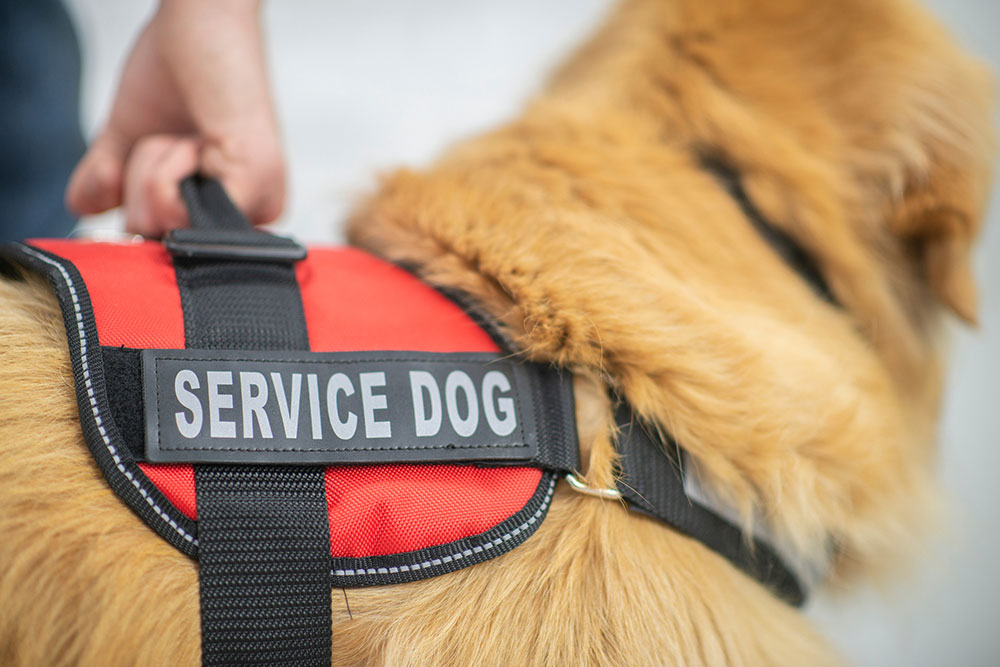
There’s a moment that happens when a Veteran meets the service dog who will become their partner. It’s difficult to describe but impossible to miss—a recognition, a softening, the beginning of something transformative. In that moment, the clinical language of “intervention” and “treatment” gives way to something simpler and more profound: connection.
Service dogs have emerged as powerful allies in the journey toward Veteran wellness. These remarkable animals provide more than companionship; they offer practical support that enables Veterans to navigate daily life, emotional presence that eases the weight of invisible wounds, and unconditional acceptance that opens doors to healing. At Clear Path for Veterans New England, our service dog program represents one of our most impactful offerings, matching trained dogs with Veterans who can benefit from this unique partnership.
This post explores the science behind service dog effectiveness, the practical ways these animals support Veterans, and the journey from training to placement that creates successful partnerships.
The Human-Animal Bond
Before delving into service dogs specifically, it’s worth understanding why animals have such profound effects on human well-being. The human-animal bond is not simply sentimental; it’s biological.
When humans interact with animals—particularly dogs—several physiological changes occur:
Oxytocin Release: Physical contact with dogs triggers oxytocin release in both the human and the animal. This “bonding hormone” promotes feelings of trust, calm, and connection.
Cortisol Reduction: Studies consistently show that interacting with dogs reduces cortisol, the primary stress hormone. This effect can be measured within minutes of contact.
Blood Pressure and Heart Rate: Petting a dog has been shown to lower blood pressure and slow heart rate, indicating activation of the parasympathetic nervous system (our “rest and digest” mode).
Social Facilitation: Dogs serve as social lubricants, making it easier for people to interact with one another. Veterans walking with dogs report more positive social interactions than those walking alone.
These effects aren’t imaginary or merely psychological—they’re measurable, repeatable, and significant. The human-animal bond evolved over thousands of years of coexistence, and our biology remains wired to respond positively to canine companionship.
How Service Dogs Support Veterans
While all dogs provide some benefits to their owners, service dogs are specifically trained to perform tasks that mitigate their handler’s disability. For Veterans, service dogs may be trained to address physical disabilities, psychiatric conditions, or both.
PTSD and Anxiety Support
For Veterans managing post-traumatic stress disorder or anxiety, service dogs can be trained to:
- Recognize signs of anxiety or panic and provide grounding through physical contact
- Create physical space in crowded environments, reducing feelings of vulnerability
- Wake their handler from nightmares
- Perform “block” or “cover” commands, positioning themselves to provide protection during hypervigilant episodes
- Interrupt harmful repetitive behaviors
- Alert to approaching people, reducing startle responses
The constant presence of a trained service dog provides many Veterans with their first sense of safety since returning from deployment. The dog becomes a reliable partner, always attuned to their handler’s emotional state and ready to respond.
Physical Support
For Veterans with physical disabilities, service dogs may:
- Provide balance and stability support
- Retrieve dropped items
- Open doors and drawers
- Turn lights on and off
- Carry items in a backpack
- Alert to medical events (seizures, blood sugar changes, etc.)
- Assist with mobility
Independence and Quality of Life
Perhaps most importantly, service dogs enable independence. Veterans who previously relied on caregivers for daily tasks can regain autonomy with a trained service dog. Activities that once seemed impossible—going to the grocery store, attending a child’s school event, taking a walk in a public park—become manageable with a canine partner.
This independence has cascading positive effects. Veterans who can engage in daily activities experience improved self-esteem, reduced isolation, and better overall mental health. The service dog doesn’t just perform tasks; it opens doors to fuller life participation.
The Training Process
Creating a successful service dog team requires extensive training for both the dog and the handler. This process typically includes:
Dog Selection
Not every dog has the temperament for service work. Successful service dogs typically demonstrate:
- Calm, stable temperament
- Appropriate energy level
- Strong food or toy motivation for training
- Comfort in various environments (crowds, loud noises, different surfaces)
- Good health and physical structure
- Desire to work with humans
- Ability to focus despite distractions
Dogs may be purposely bred for service work, selected from shelters, or donated by owners who recognize service potential. Breed matters less than individual temperament; while certain breeds are commonly used, excellent service dogs come in many packages.
Basic and Advanced Training
Service dogs undergo extensive training that typically spans 18-24 months. Training phases include:
- Basic obedience (sit, stay, come, heel)
- Advanced obedience (off-leash reliability, duration commands)
- Public access training (appropriate behavior in all environments)
- Task-specific training (customized to the handler’s needs)
- Handler introduction and team training
Training methods emphasize positive reinforcement, building a dog who works enthusiastically because work brings rewards rather than avoiding punishment.
The Matching Process
Matching the right dog with the right Veteran is both science and art. Factors considered include:
- The Veteran’s specific needs and disability profile
- Living situation (apartment vs. house, presence of other animals)
- Activity level and lifestyle
- Family composition
- Personality and handler style
- Physical capability to manage the dog
A strong match considers not just what the Veteran needs from the dog but what kind of partnership will thrive long-term. The goal is a relationship that serves both parties well for the dog’s working career of 8-10 years.
Team Training
Once matched, the Veteran and dog undergo intensive team training together. This phase typically involves:
- Learning to communicate with and handle the specific dog
- Practicing task performance in various environments
- Building relationship and bond
- Understanding service dog law and handler responsibilities
- Troubleshooting challenges specific to the team
- Gradually increasing independence
Team training ensures that the partnership is solid before the Veteran and dog venture into daily life together. Ongoing support and follow-up help teams maintain and strengthen their skills over time.
Life with a Service Dog
Veterans who partner with service dogs often describe the experience as transformative. The changes extend far beyond the specific tasks the dog performs.
Emotional Healing
Service dogs provide constant companionship that combats the isolation many Veterans experience. The dog’s unconditional acceptance—free from judgment, questions, or expectations—creates space for emotional processing and healing.
Many Veterans describe their service dogs as providing permission to feel. The dog’s steady presence offers comfort during difficult moments without requiring explanation or justification. A Veteran can break down in the presence of their dog without shame, receiving comfort rather than awkwardness in return.
Structure and Purpose
Caring for a service dog provides structure and purpose. The dog needs to be fed, exercised, groomed, and cared for—non-negotiable responsibilities that get Veterans out of bed and engaged in life. This structure can be particularly valuable for those struggling with depression or motivation.
Many Veterans report that caring for their service dog feels more manageable than caring for themselves. The dog’s needs provide motivation when self-care feels impossible. In meeting the dog’s needs, Veterans often find themselves meeting their own needs as well.
Reduced Medication and Symptoms
While not universal, many Veterans report reduced reliance on medication after partnering with a service dog. The dog’s ability to address symptoms in real-time—interrupting anxiety before it escalates, providing comfort after nightmares, creating safety in triggering environments—can reduce the need for pharmacological interventions.
Veterans frequently report improvements in sleep quality, reduction in panic attacks, decreased hypervigilance, and better overall mood after receiving service dogs.
Reconnection with Life
Perhaps most significantly, service dogs enable Veterans to reconnect with life. The isolation that often accompanies PTSD and physical disability gives way to engagement. Veterans go places they haven’t been in years, reconnect with activities they’d abandoned, and rebuild relationships that had suffered.
The service dog becomes a bridge back to life—not a crutch but a partner that enables Veterans to reclaim independence and purpose.
The Clear Path Service Dog Program
At Clear Path for Veterans New England, our service dog program reflects our commitment to comprehensive, individualized support for Veterans. We recognize that service dogs aren’t appropriate for everyone but can be life-changing for those who are good candidates.
Our K9 program has touched countless lives, matching trained dogs with Veterans who can benefit most from this unique partnership. The transformation we witness when Veterans connect with their dogs reminds us daily of the healing power of the human-animal bond.
We invite you to support our K9 team through events like the BFit Challenge and other fundraising opportunities. Your support enables us to continue training dogs, matching teams, and providing the ongoing support that keeps partnerships strong.
Is a Service Dog Right for You?
If you’re a Veteran considering a service dog, here are some questions to reflect on:
- What specific challenges do you face that a service dog might address?
- Are you able to provide for a dog’s physical and emotional needs?
- Is your living situation appropriate for a service dog?
- Are you willing to commit to the training and ongoing work required?
- Do you have support systems in place to help if challenges arise?
- Are you comfortable with the public attention a service dog brings?
Service dogs aren’t a quick fix or a passive intervention. They’re partners requiring commitment, care, and ongoing work. For the right Veterans, this commitment pays dividends beyond measure. But honest self-assessment is important before beginning the process.
A Bond Beyond Words
The partnership between a Veteran and their service dog defies easy description. It’s practical support and emotional healing. It’s independence and interdependence. It’s a relationship forged through training but deepened through daily life, through difficult moments navigated together, through the steady accumulation of trust.
For Veterans who have carried heavy burdens—visible and invisible wounds of service—a service dog offers something precious: a partner who asks nothing but presence, who gives everything in return, and who makes the journey home a little less lonely.
At Clear Path for Veterans New England, we’re honored to facilitate these life-changing partnerships. If you’re interested in learning more about our service dog program, we welcome you to reach out. The journey toward wellness takes many paths. For some Veterans, that path includes four paws.
 Previous Post
 Next Post