DONATE
When we think about Veteran healthcare, images of hospitals, clinics, and medical appointments often come to mind. While traditional medical care is certainly important, it represents just one piece of a much larger wellness puzzle. True health encompasses far more than the absence of disease; it includes physical vitality, mental clarity, emotional balance, social connection, and a sense of purpose and meaning.
At Clear Path for Veterans New England, we embrace a holistic approach to Veteran wellness—one that recognizes the interconnection between body, mind, and spirit. Our programs extend beyond traditional services to include fitness activities, nutritional support, mindfulness practices, and community events that nurture the whole person. We believe that wellness is not something that happens only in clinical settings but something cultivated through daily choices, supportive environments, and ongoing community engagement.
This post explores holistic wellness approaches for Veterans, explains the science behind their effectiveness, describes our organizational programs, and offers practical tips you can implement at home.
Understanding Holistic Wellness
Holistic wellness recognizes that human beings are complex systems with interconnected parts. Physical health affects mental health, which affects social relationships, which affect sense of purpose, which circles back to physical health. This interconnection means that interventions in one area can create positive ripple effects throughout the system.
For Veterans, this holistic perspective is particularly valuable because:
Service affects the whole person. Military service impacts bodies, minds, emotions, relationships, and identities. Healing must address all these dimensions.
Traditional medical care has limitations. While essential, medical appointments and prescriptions can only do so much. True wellness requires attention to lifestyle factors that medicine alone cannot address.
Prevention is powerful. Holistic practices emphasize prevention and daily maintenance rather than waiting for problems to develop and seeking cure.
Individual agency matters. Holistic wellness empowers individuals to take active roles in their own health, fostering independence and self-efficacy.
Let’s explore key components of holistic Veteran wellness.
Physical Fitness: Moving Toward Health
Physical exercise stands among the most powerful interventions for Veteran wellness. The benefits extend far beyond physical fitness to include mental health, cognitive function, and social connection.
Mental Health Benefits
Exercise triggers neurobiological changes that directly combat depression and anxiety. Physical activity:
- Releases endorphins, natural mood elevators
- Reduces cortisol and other stress hormones
- Promotes neuroplasticity and brain health
- Improves sleep quality
- Provides healthy outlet for stress and tension
For Veterans managing PTSD, exercise has been shown to reduce symptoms and improve overall functioning. The focusing required by physical activity provides relief from intrusive thoughts, while the sense of mastery that comes with fitness achievements rebuilds confidence.
Physical Health Benefits
Regular exercise supports:
- Cardiovascular health
- Weight management
- Chronic disease prevention
- Pain management
- Energy and vitality
- Immune function
Social Connection
Group fitness activities provide natural opportunities for social connection. Working out together creates camaraderie, accountability, and shared purpose—experiences that resonate with military culture.
Clear Path Fitness Programs
At Clear Path for Veterans New England, we offer multiple fitness opportunities:
Brazilian Jiu-Jitsu: Our weekly BJJ classes combine physical conditioning with skill development and partner work. The practice builds strength, flexibility, and cardiovascular fitness while teaching practical self-defense skills. Many Veterans find that the discipline and structure of martial arts resonates with military training culture.
Community Events: Events like the BFit Challenge provide opportunities for fitness with purpose, combining physical activity with community connection and charitable giving.
Fitness Tips for Home
- Start where you are. Don’t compare yourself to your pre-injury or active-duty fitness level. Begin with what’s possible today.
- Find activities you enjoy. Sustainable fitness comes from activities that bring pleasure, not just obligation.
- Build gradually. Increase intensity and duration slowly to avoid injury and burnout.
- Make it social. Exercise with a buddy or join a group to increase accountability and enjoyment.
- Remember that any movement counts. Even short walks or gentle stretching contribute to overall wellness.
Nutrition: Fueling Your Body and Mind
What we eat profoundly affects how we feel. Nutrition influences energy levels, mood, cognitive function, inflammation, and risk for chronic disease. For Veterans managing physical or mental health conditions, nutritional choices can either support recovery or undermine it.
The Gut-Brain Connection
Emerging research highlights the powerful connection between gut health and mental health. The gut produces neurotransmitters including serotonin (about 95% is produced in the gut), directly affecting mood and cognition. A healthy gut microbiome supports mental wellness, while an unhealthy gut can contribute to depression, anxiety, and cognitive impairment.
Anti-Inflammatory Eating
Chronic inflammation underlies many physical and mental health conditions. Anti-inflammatory eating patterns—emphasizing whole foods, vegetables, fruits, healthy fats, and lean proteins while minimizing processed foods, sugar, and refined carbohydrates—can reduce inflammation throughout the body and brain.
Energy and Stability
Stable blood sugar supports stable mood and energy. Eating regular meals with balanced macronutrients (protein, carbohydrates, fat) prevents the energy crashes and mood swings associated with blood sugar fluctuations.
Nutrition Tips for Home
- Prioritize whole foods. Choose foods that come from nature rather than factories.
- Eat the rainbow. Different colored vegetables and fruits provide different nutrients. Aim for variety.
- Include protein at each meal. Protein supports stable blood sugar and muscle maintenance.
- Stay hydrated. Dehydration affects mood, cognition, and physical performance.
- Be mindful of alcohol. While socially acceptable, alcohol is a depressant that can interfere with mental health, sleep, and overall wellness.
- Cook more meals at home. Home cooking gives you control over ingredients and portions.
- Make gradual changes. Don’t try to overhaul your entire diet at once. Small, sustainable changes add up.
Mindfulness and Mental Wellness
Mindfulness—the practice of present-moment awareness without judgment—has gained significant attention for its mental health benefits. Originally rooted in Eastern contemplative traditions, mindfulness has been extensively studied and adapted for Western clinical applications.
What Mindfulness Does
Regular mindfulness practice has been shown to:
- Reduce symptoms of anxiety and depression
- Decrease stress reactivity
- Improve emotional regulation
- Enhance cognitive function and attention
- Reduce rumination (repetitive negative thinking)
- Improve sleep quality
- Reduce chronic pain perception
For Veterans, mindfulness can be particularly helpful for managing PTSD symptoms. Learning to observe thoughts and feelings without being overwhelmed by them creates space for new responses to triggering situations.
Mindfulness Approaches
Mindfulness can take many forms:
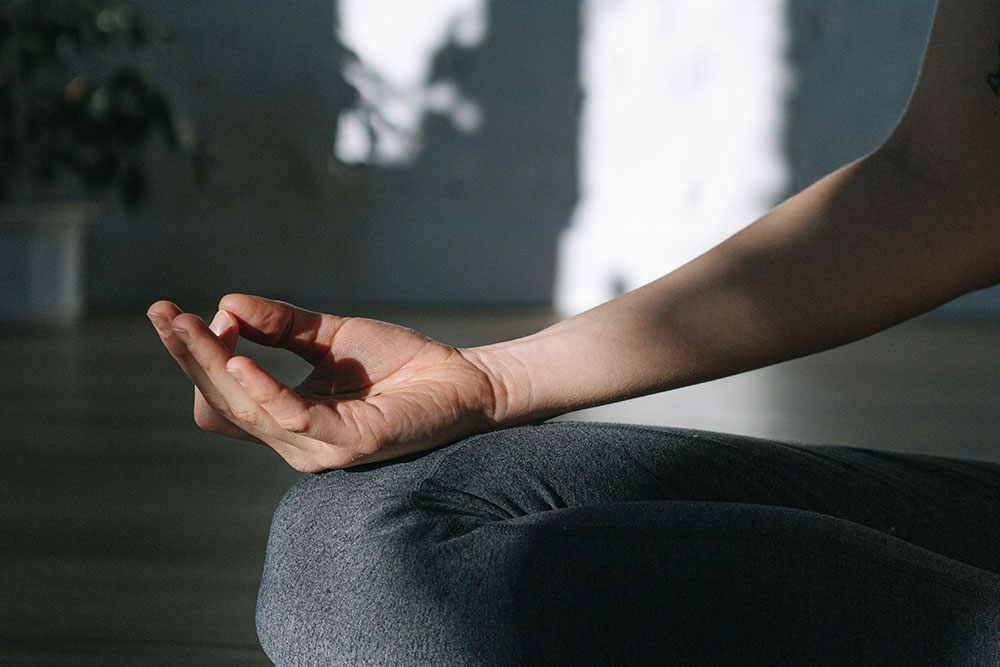
Meditation: Formal sitting practice involving focused attention on breath, body sensations, or other anchors.
Body Scan: Systematic attention to different parts of the body, promoting body awareness and relaxation.
Mindful Movement: Practices like yoga and tai chi combine physical movement with present-moment awareness.
Informal Mindfulness: Bringing full attention to everyday activities like eating, walking, or washing dishes.
Mindfulness Tips for Home
- Start small. Even five minutes of daily practice produces benefits. Build from there.
- Use guided resources. Apps like Headspace or Insight Timer provide structured guidance for beginners.
- Be patient with yourself. Minds wander—that’s normal. The practice is noticing when your mind wanders and gently returning attention.
- Try different approaches. If sitting meditation doesn’t appeal to you, try walking meditation, yoga, or other mindful movement.
- Look for Veteran-specific resources. Some mindfulness programs are designed specifically for Veterans and military culture.
Community and Social Wellness
Humans are social creatures, and our well-being depends significantly on the quality of our relationships and sense of belonging. For Veterans, who experienced the intense bonds of military service, civilian social networks may feel thin or unsatisfying by comparison.
Social wellness encompasses:
- Having supportive relationships
- Feeling a sense of belonging
- Contributing to community
- Maintaining healthy boundaries
- Communicating effectively
The Health Impact of Social Connection
Social isolation is a significant health risk, associated with increased mortality comparable to smoking. Conversely, strong social connections protect against depression, accelerate recovery from illness, and improve immune function.
Building Community at Clear Path
Our community-building activities are central to our mission:
Canteen Lunches: Weekly gatherings for food and fellowship create regular opportunities for connection.
Workshops and Events: Educational and social events bring Veterans together around shared interests and activities.
Peer Support: Veteran-to-Veteran connection provides understanding that only those with shared experience can offer.
Volunteer Opportunities: Contributing to the Clear Path community provides purpose and strengthens belonging.
Social Wellness Tips
- Prioritize time with people who lift you up.
- Be proactive about reaching out rather than waiting for others to contact you.
- Consider joining groups related to your interests (fitness, hobbies, causes you care about).
- Practice vulnerability. Deeper connections require sharing beyond surface level.
- If social anxiety is a barrier, start with low-pressure settings and build gradually.
- Remember that quality matters more than quantity. A few deep connections are more valuable than many shallow ones.
Purpose and Meaning
Having a sense of purpose—feeling that life has meaning and that one’s actions matter—is strongly associated with well-being and even longevity. For Veterans, who often experienced profound sense of purpose during service, finding meaning in civilian life can be challenging.
Sources of Purpose
Purpose can derive from many sources:
- Service to others (volunteering, caregiving, helping professions)
- Creative expression (art, music, writing)
- Learning and growth (education, skill development)
- Relationships (family, friendships, community)
- Work (meaningful employment, entrepreneurship)
- Causes (advocacy, activism, community involvement)
Finding Purpose After Service
Many Veterans find purpose through continued service—to fellow Veterans, to their communities, or to causes they believe in. Others discover new passions that provide meaning and fulfillment.
Purpose Tips
- Reflect on what matters most to you. What did you value about military service? How might those values find expression in civilian life?
- Explore volunteer opportunities. Giving back often generates powerful sense of purpose.
- Consider how your military experience might benefit others. Mentoring, advocacy, and peer support are natural extensions of service.
- Be patient. Purpose often emerges through exploration rather than arriving fully formed.
Preventative Wellness
Traditional healthcare typically focuses on treating problems after they arise. Preventative wellness emphasizes maintaining health before problems develop—catching issues early and addressing risk factors proactively.
Components of Preventative Care
- Regular check-ups and screenings
- Attention to early warning signs
- Lifestyle factors (diet, exercise, sleep, stress management)
- Mental health maintenance
- Addressing risk factors before they cause disease
Why Prevention Matters for Veterans
Veterans may be at elevated risk for various health conditions due to service-connected exposures, injuries, or stress. Preventative approaches can catch problems early when they’re most treatable and reduce long-term complications.
Preventative Wellness Tips
- Don’t skip routine medical appointments, even when you feel fine.
- Know your numbers (blood pressure, cholesterol, blood sugar) and what they mean.
- Pay attention to changes in your body or mood and address them promptly.
- View wellness as an ongoing practice rather than a one-time achievement.
Integrating Holistic Wellness
The power of holistic wellness comes from integration—combining multiple approaches into a coherent lifestyle that supports overall well-being. Rather than viewing exercise, nutrition, mindfulness, and social connection as separate interventions, consider them interlocking components of a comprehensive wellness practice.
Some ways to integrate:
- Combine fitness with social connection through group activities
- Practice mindful eating to unite nutrition and mindfulness
- Join community events that incorporate physical activity and social engagement
- Find purposeful activities that also support physical and mental health
Your Wellness Journey
At Clear Path for Veterans New England, we’re committed to supporting Veterans’ wellness through every dimension—physical, mental, emotional, social, and spiritual. Our programs are designed to complement traditional healthcare, providing the community connection, lifestyle support, and holistic resources that complete the wellness picture.
Whether you’re looking to try Brazilian Jiu-Jitsu, join us for canteen lunch, access supportive services, or simply connect with a community that understands, we welcome you. Wellness isn’t a destination but a journey—one that’s easier and more rewarding when walked in good company.
Your service to our nation mattered. Your health and wellness matter too. Take the next step on your wellness journey with Clear Path for Veterans New England.
 Previous Post