My Account
 Cart
Cart



Healthy skin is a marker of a healthy body. But somewhere along the way, the wellness industry has blurred the line between skin that looks healthy and skin that actually is healthy. Flawless, pore-free, airbrushed — these are aesthetic goals, not health ones.
True healthy skin will always look healthy. It may not look perfect — but it glows with vitality, recovers from stress, and ages gracefully. Achieving that takes more than what goes on the surface. It takes attention to the fundamentals of how you live.
The Six Fundamentals of Healthy Skin
1. Hydrate from Within
Hydration comes from within. No matter how rich your moisturiser, you cannot compensate for inadequate water intake at the skin level. Drink enough water consistently — not just when you feel thirsty. Thirst is a late signal of dehydration. Your skin feels it long before you do.
2. Sleep Well
The best skincare product is 8 hours of deep, restful sleep. During sleep, the body repairs damaged cells, regulates cortisol, and produces growth hormone — all directly relevant to skin health. No night-time routine, however carefully curated, substitutes for sleep.
3. Manage Stress
Chronic stress drives cortisol elevation, which triggers inflammation, breaks down collagen, and worsens conditions like acne, eczema, and psoriasis. The goal is not the elimination of stress — that is impossible. The goal is giving stress healthy outlets: movement, rest, connection, and practices that build psychological resilience.
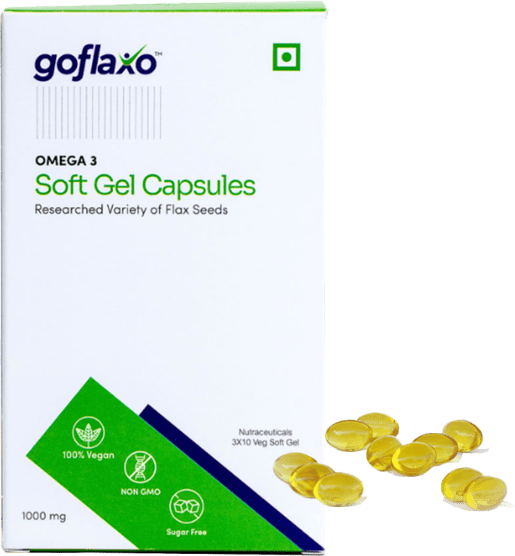
4. Eat Well — and Eat Omega-3s
Good nutrition means eating varied, minimally processed, fibre-rich food with adequate protein and omega-3 fatty acids. Omega-3s play a specific and well-documented role in skin health:
- They maintain the integrity of the skin’s lipid barrier — regulating moisture loss and reducing dryness
- They reduce skin inflammation — relevant to acne, eczema, psoriasis, and dermatitis
- They support the production of anti-inflammatory prostaglandins that modulate skin’s immune response
Important to note: eating more is not the same as eating well. The body needs quality and variety, not just quantity. Mindful eating — paying attention to what the body genuinely needs rather than what it wants — matters.
5. Exercise Regularly
Sweat is good for skin. Physical activity dilates capillaries, opens pores, stimulates lymphatic flow, and delivers fresh nutrients to skin cells. Whatever the form — resistance training, cardio, stretching — consistent movement ensures that the nutrition you consume actually reaches the skin. Something, in whatever form, is always better than nothing.
6. Have a Skincare Routine
Given the realities of modern life — rarely perfect hydration, sleep, nutrition, or stress management — the skin benefits from appropriate external support. A weekly gentle exfoliant, consistent cleanse-tone-moisturise routine, and where relevant, dermatologist-guided supplementation, all contribute to skin health that external lifestyle factors alone cannot fully deliver.
These steps should ideally be guided by a qualified dermatologist, particularly where skin conditions are present.
The Goal
Perfect, 12-year-old skin as an adult is an unrealistic benchmark — and an unnecessary one. The goal is skin that is healthy, resilient, and appropriately cared for. With the foundations above, that is achievable at any age.
 Previous Post