My Account
 Cart
Cart



There is no single solution to mental health. Effective prevention and treatment requires medication when needed, psychological hygiene, physical exercise — and increasingly, evidence points to the role of nutrition. Among nutritional factors, omega-3 polyunsaturated fatty acids (PUFAs) have the strongest and most consistent evidence base for mental health support.
How Omega-3 Fatty Acids Work in the Brain
Neuroinflammation Reduction
Omega-3 PUFAs integrate into neuronal membranes and exert powerful anti-inflammatory effects in brain tissue. They generate resolvins and protectins — specialised molecules that actively resolve microglial activation (the brain’s inflammatory response) and reduce oxidative stress on neurons. Chronic neuroinflammation is increasingly recognised as a driver of depression, anxiety, and cognitive decline.
HPA Axis Regulation
The HPA axis (Hypothalamus–Pituitary–Adrenal axis) is the body’s central hormonal control system. It governs stress response, cortisol secretion, growth, and immune function. Omega-3 fatty acids help normalise cortisol output under stress, improving stress resilience and reducing the physiological burden of chronic stress exposure.
BDNF and Synaptic Plasticity
Omega-3s boost production of BDNF (brain-derived neurotrophic factor) — a molecule that promotes the formation of new neuronal connections and supports learning, memory, and mood regulation. Low BDNF is associated with depression and cognitive decline. Omega-3 supplementation raises BDNF, providing a biological basis for its antidepressant effects.
Neurotransmitter Modulation
Omega-3s influence serotonin and dopamine receptor function — improving signal transduction, strengthening internal feedback mechanisms, and stabilising mood. This may partly explain why EPA-dominant supplementation consistently shows antidepressant effects, including as an adjunct to SSRIs.
Antioxidant Defence
Through Nrf2-mediated enzyme induction, omega-3s enhance the brain’s antioxidant defences, protecting neurons from oxidative injury — particularly relevant in conditions of chronic stress, poor sleep, and inflammation.
What the Clinical Evidence Shows
Depression
Multiple trials and meta-analyses show that EPA-dominant formulations (≥1 g/day) significantly reduce depressive symptom scores, especially as an adjunct to antidepressant medications. Benefits are strongest with higher EPA:DHA ratios and in individuals with lower baseline omega-3 status.
Anxiety
A dose-response meta-analysis found that each additional gram of combined EPA+DHA daily produced a moderate reduction in anxiety symptoms, with optimal effects around 2 g/day and no significant increase in adverse events.
Cognitive Function
In healthy adults, omega-3 intake is associated with improved attention, processing speed, and lower risk of subclinical mood disturbances, though results vary by study design, population, and duration.
ALA’s Contribution
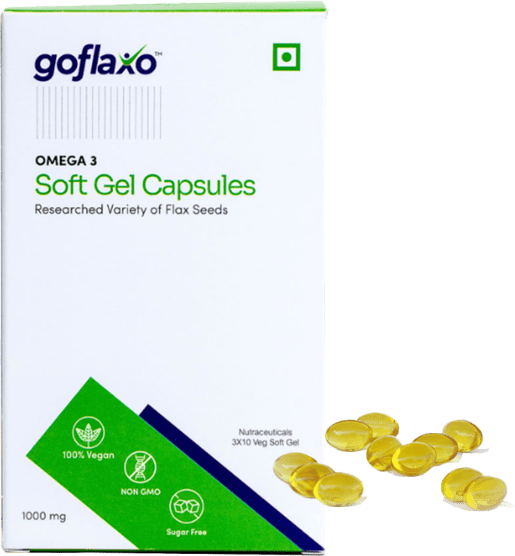
ALA — the plant-based omega-3 found in flaxseed — contributes to mental health through its anti-inflammatory and antioxidant properties and its role in supporting cerebrovascular health. As a precursor to EPA and DHA (with limited conversion), ALA enriches the overall omega-3 nutritional strategy.
The Bottom Line
Omega-3 PUFAs are an accessible, low-risk, scientifically grounded tool for supporting mental health — particularly mood stability, stress resilience, and cognitive clarity. They work best as part of a comprehensive approach that includes appropriate medical care, psychological support, physical activity, and nutrition. They are not a replacement for medication or therapy, but a meaningful complement to both.
References
- Mental health pointwise summary: resolvins, protectins, HPA axis, BDNF, EPA-dominant formulations. (Internal document)
- Harvard Health. Omega-3 fatty acids for mood disorders. 2020.
MDPI. Omega-3 PUFAs in depression: mechanisms and clinical evidence. 2024.
 Previous Post